


Benjamin Netanyahu
A Political Biography
12/3/20256 min read
Introduction
Benyamin Netanyahu is the longest-serving Israeli Prime Minister, with 18 cumulative years in office as of 2025. This makes him a central figure in both Israeli and international politics. His career combines a family ideological heritage, a strong mastery of political communication, and a leadership image often associated with Israel’s security. Marked by the influence of Revisionist Zionism and his military and diplomatic experiences, his trajectory has profoundly shaped the Israeli right and the country’s position on the global stage; this is what we will explore in this article.
Childhood and Political Rise
Benyamin Netanyahu was born on October 21, 1949, in Tel Aviv and grew up in Jerusalem in a family deeply influenced by Revisionist Zionism. This ideology, promoted by Vladimir Jabotinsky, advocates for the return of Jews to Mandatory Palestine, meaning both banks of the Jordan River, including present-day Jordan. His grandfather Nathan Mileikowsky and his father, historian Benzion Netanyahu, instilled in him a nationalist vision of the Jewish people, based on the belief that strength is essential for their survival and on the historical right of the Jewish people to the entirety of the “Promised Land.” The family strongly opposed the Labor establishment and socialism, which they saw as dominant and hostile. Benzion Netanyahu sent his children to the United States, to Cheltenham in Pennsylvania, during their adolescence to shield them from the influences of what he considered the “corrupted” Israeli society of the time. Benyamin developed fluency in English and acquired knowledge of American media and politics, skills he would use throughout his career.
When he began his military service in Israel, he joined Sayeret Matkal, the elite special forces unit. In May 1972, as a lieutenant in the unit, he took part in the assault on Sabena Flight 571 at Ben-Gurion Airport. He was accidentally shot while capturing the hijackers from the group Black September. His older brother Yonatan became commander of Sayeret Matkal in 1975. Yonatan was killed during the Entebbe operation in Uganda in 1976, the only Israeli soldier to die during the mission. His death reinforced his heroic image in the Israeli national imagination and contributed to consolidating the family’s reputation as committed to the fight against terrorism.
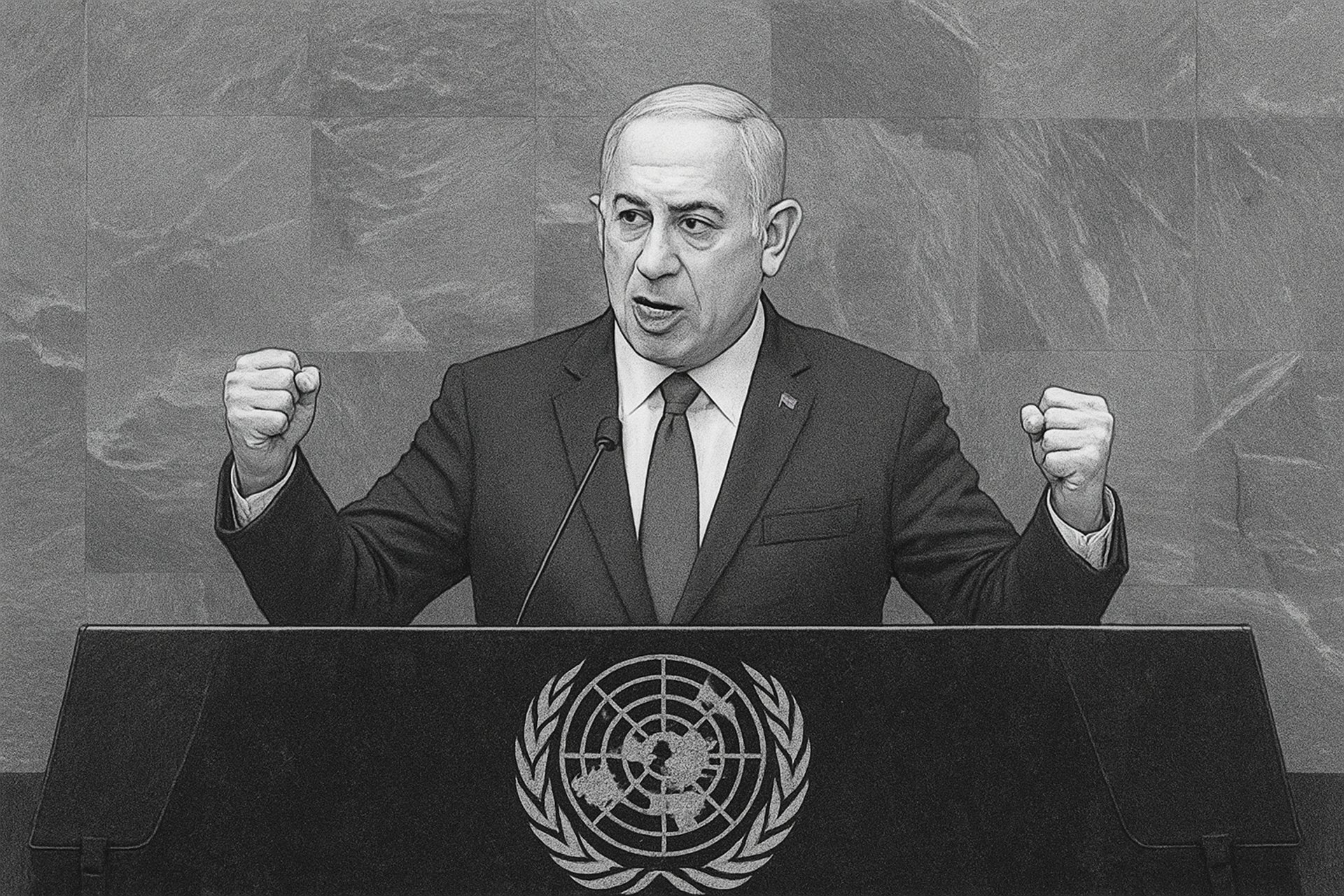
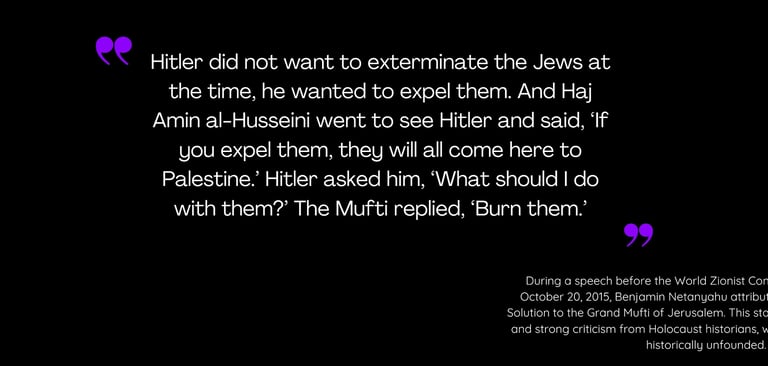
After completing his military service and earning a management degree from MIT, Netanyahu began his political career. He served as Deputy Chief of Mission in Washington and as Israel’s Ambassador to the United Nations from 1984 to 1988. Upon returning to Israel, he was elected to the Knesset in 1988 under the Likud party and quickly became a major opponent of the Oslo peace process signed in 1993 between Yasser Arafat and Yitzhak Rabin. He compared these agreements to the 1938 Munich Agreement, arguing that they were a dangerous concession in the face of an existential threat to Israel. His firm stance and anti-Oslo rhetoric positioned him as the main leader of the opposition camp and prepared his rise to power. The slogan of his campaign was “Netanyahu for a Secure Peace,” implying that Oslo, supported by his opponent Shimon Peres, was dangerous.
Years in Power
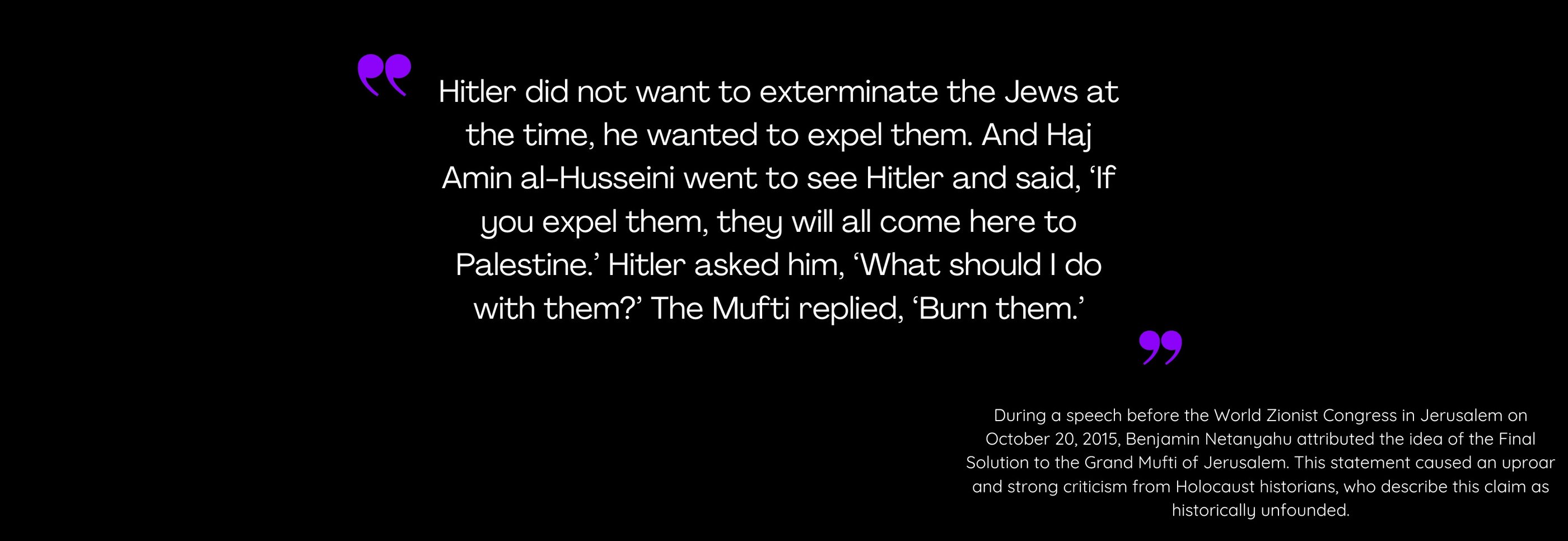
In 1996, Benyamin Netanyahu became Prime Minister of Israel following a historic election, becoming the first Israeli leader to be directly elected by the people. Nevertheless, the Labor Party won more seats than Likud in the Knesset. This election came after the assassination of Yitzhak Rabin in 1995, a tragic event that deeply affected the country, during which Netanyahu was accused by some opponents of helping to fuel anti-Rabin sentiment, notably by portraying him as a collaborator. His first term crystallized his confrontational approach to diplomacy, particularly against the Clinton administration, which was determined to continue the Oslo process that he sought to dismantle. Although he signed the Hebron Protocol and the Wye River Memorandum, which were intended to lead to a partial withdrawal from the West Bank, these negotiations were conducted reluctantly. His flexible political approach eventually caused his coalition to collapse in December 1998, followed by a heavy defeat in May 1999 to Ehud Barak.
After his defeat, Netanyahu returned as Finance Minister under Ariel Sharon (2003–2005), where he implemented radical neoliberal economic reforms, including privatizations and cuts to social assistance, which strengthened his image as an economic reformer. The decisive turning point of his comeback was his strong opposition to Sharon’s Gaza disengagement plan in 2005. By resigning from the government, Netanyahu executed a political masterstroke: he positioned himself as the undisputed leader of the nationalist camp and the guarantor of the “Greater Israel” ideology. After patiently rebuilding Likud, he won the 2009 elections, marking the start of his second and longest term.
During this decade, Netanyahu’s strategy regarding the Israeli-Palestinian conflict was twofold. His 2009 Bar-Ilan speech represented a tactical acceptance of the two-state solution, a strategic gesture aimed at appeasing the new Obama administration. However, his actions on the ground revealed his real goal: pursuing a continuous expansion of settlements and exploiting the division between the Palestinian Authority in the West Bank and Hamas in Gaza. As he admitted in 2019, maintaining this separation was a strategic way to “prevent the creation of a Palestinian state.”. To learn more about this topic, you can read our article "Netanyahu and Hamas: Financial Flows and Political Calculations in Gaza".
His foreign policy was dominated by a fundamental ideological confrontation with the Obama administration over Iran’s nuclear program, culminating in 2015 with a controversial speech before the U.S. Congress opposing the nuclear deal (JCPOA). Domestically, this period was marked by the 2011 social justice protests, a direct response to grievances over the rising cost of living exacerbated by his neoliberal policies. Conversely, his warm relationship with the Trump administration, resulting from ideological alignment and a transactional approach, led to major diplomatic victories: the transfer of the U.S. embassy to Jerusalem and the signing of the Abraham Accords in 2020.
Since 2019, Benjamin Netanyahu has been facing three separate legal cases: dossier 1000, dossier 2000, and dossier 4000, for corruption, fraud, and breach of trust. Dossier 1000 concerns luxury gifts given over several years by businessmen, including cigars, champagne, and jewelry, valued at several hundred thousand shekels, in exchange for favors related to administrative or fiscal matters. Dossier 2000 involves exchanges with the publisher of the Yedioth Ahronoth newspaper to obtain more favorable media coverage in exchange for measures limiting a competing newspaper. Dossier 4000 accuses Netanyahu of making political and regulatory decisions favorable to the company Bezeq, not in the public interest but for a private interest; in exchange, the company allegedly provided favorable coverage on its news site Walla. It thus constitutes a conflict of interest, where government decisions were allegedly directed to benefit a close company, forming the basis of the corruption, fraud, and breach of trust charges. He was officially indicted on November 21, 2019, becoming the first sitting Israeli Prime Minister to be charged with corruption. Testimonies, recordings, and detailed inventories of gifts are presented in the Israeli documentary "The Bibi Files."
In 2021, a heterogeneous alliance, the “Change Coalition” led by Naftali Bennett and Yair Lapid, succeeded in removing him from power. However, Netanyahu returned at the end of 2022, heading the most right-wing government in Israel’s history.
The Crisis Since 2023
In 2023, Benjamin Netanyahu’s government proposed a judicial reform aimed at limiting the Supreme Court’s power and increasing political control over the appointment of judges. This reform was perceived as a threat to Israel’s democratic balance and as a maneuver to weaken the institutions that could hold him accountable in the ongoing legal cases. The proposal triggered massive protests across the country, with a peak rally on July 22, 2023, in Tel Aviv, gathering around 550,000 people. Thousands of reservists threatened to stop serving if the reform was adopted. The reform project was eventually abandoned.
On October 7, 2023, Hamas and the Islamic Jihad launched a massive attack against Israel from Gaza, causing the country’s most severe security failure in its history. These attacks highlighted Netanyahu’s controversial strategic choices regarding Gaza and Hamas, reigniting debate about Israel’s indirect relations with the Palestinian organization. Following Israeli bombings in the subsequent months, the International Criminal Court issued an arrest warrant on November 21, 2024, against Benjamin Netanyahu and Yoav Gallant, former Defense Minister, accusing them of war crimes and crimes against humanity. In 2025, a United Nations Human Rights Council inquiry commission classified the actions carried out in Gaza since October 2023 as genocide, describing civilian killings, serious violations of physical and mental integrity, and living conditions likely to lead to the partial destruction of the Gaza population.
And Now ?
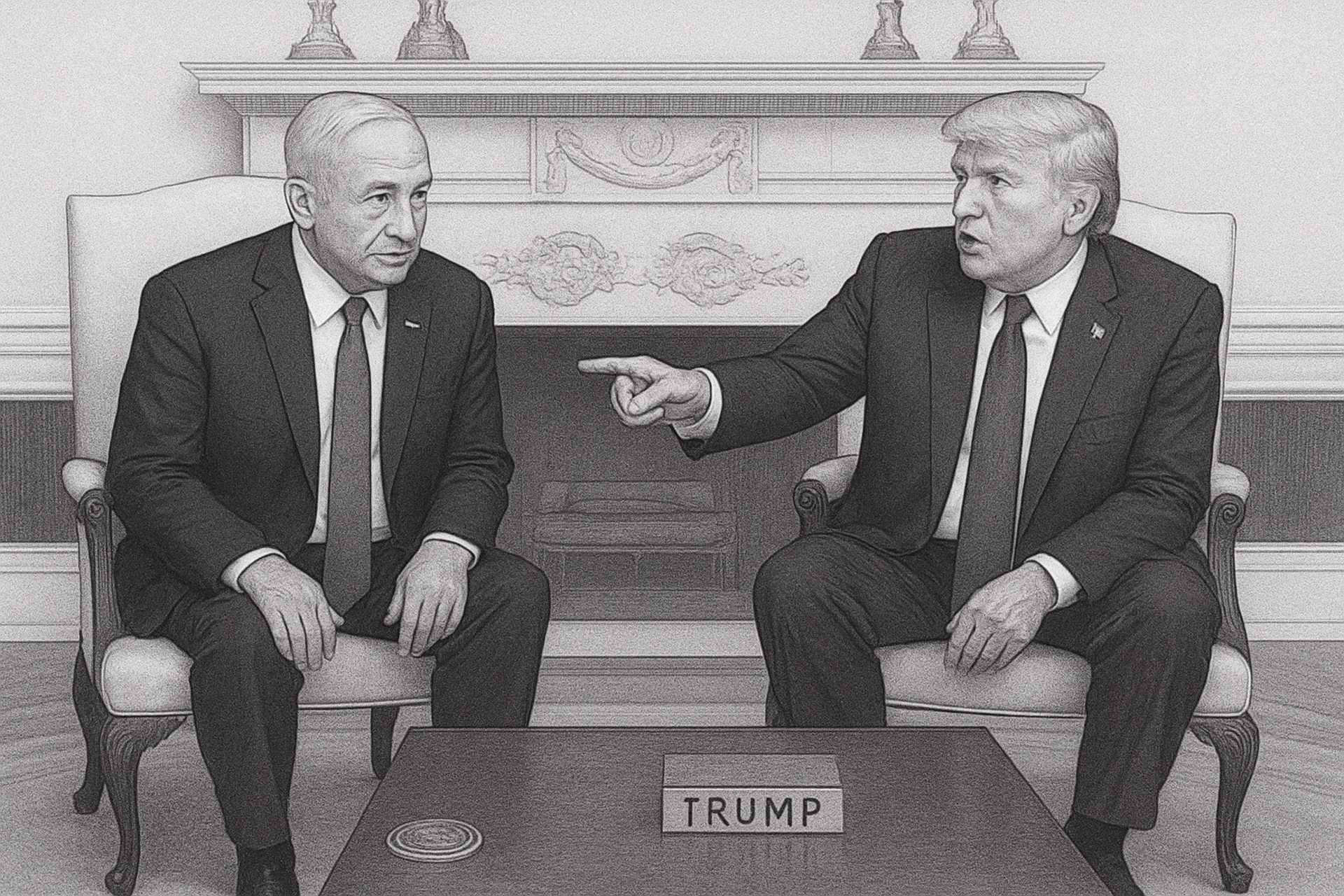
In November 2025, protests took place in Tel Aviv and other cities demanding the establishment of an independent state inquiry commission into the October 7, 2023 attack, replacing the internal commission that had been set up until then. Benjamin Netanyahu currently benefits from a form of immunity linked to his position as Prime Minister, which suspends all ongoing judicial proceedings against him. If the ruling coalition were to collapse, he could lose his position, and these proceedings could be resumed. During his visit to the Knesset in October 2025, Donald Trump asked Israeli President Isaac Herzog to pardon Netanyahu.
sources
BOOKS:
Israel under Netanyahu, Robert O. Freedman
Bibi the turbulent life and times of Benjamin Netanyahu, Anshel Feffer
Netanyahu vs the generals, Guy Ziv
From Rabin to Netanyahu, Efraim Karsh
Bibi my story, Benyamin Netanyahu
ARTICLES: